Tag: photography

  • week 6

    exhibition analysis

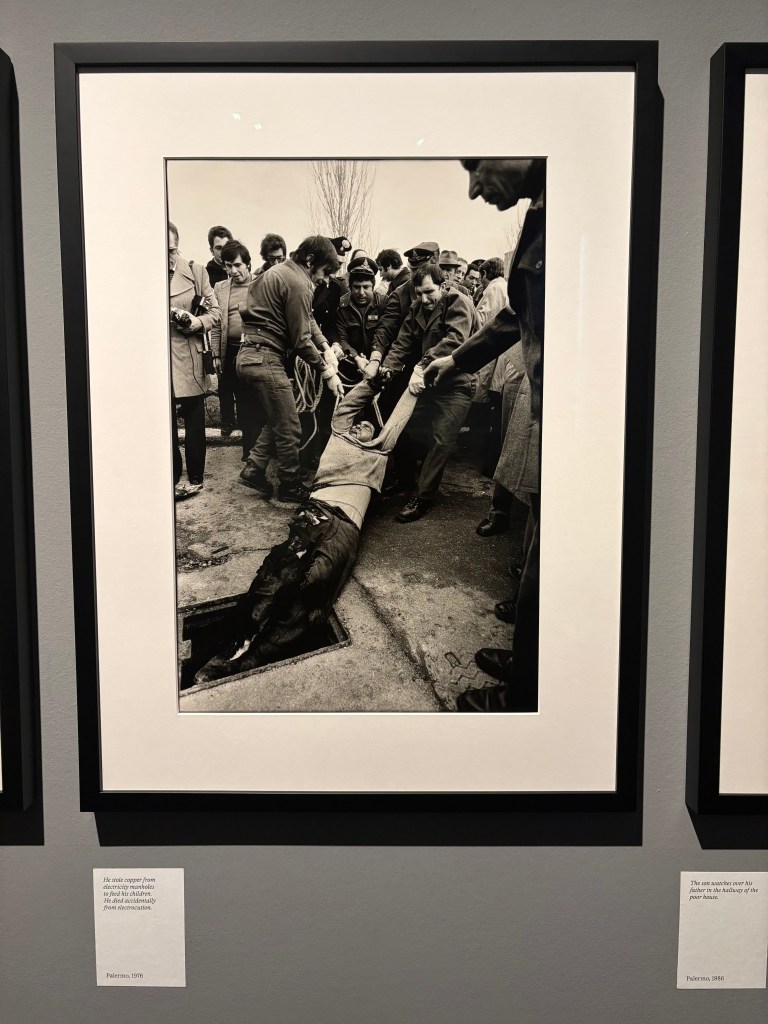
    He stole copper from electricity manholes to feed his children. He died accidentally from electrocution. Palermo, 1976.

    The photograph by Letizia Battaglia is a heartbreaking proof of the brutal truth of Mafia killings in Sicily. Her black-and-white images are pretty effective in showing the inhumanity of such killings, at the same time showing the victims as people so that the viewer can understand the terrible effect that organized crime has on people’s lives. The composition, first and foremost, pays attention to the lifeless body, the people who come to his rescue, and those who watch the scene, which is somewhat chaotic but at the same time relatively ordered, as if it reflects the collective mood of Palermo. She documents the moment in its most basic form, without any post-processing, to show how it feels to be a part of the moment and not just watch it. Battaglia documented these tragedies to undermine the Mafia’s social control and also to remember the victims, thus using photography as a tool to fight evil and demand justice.
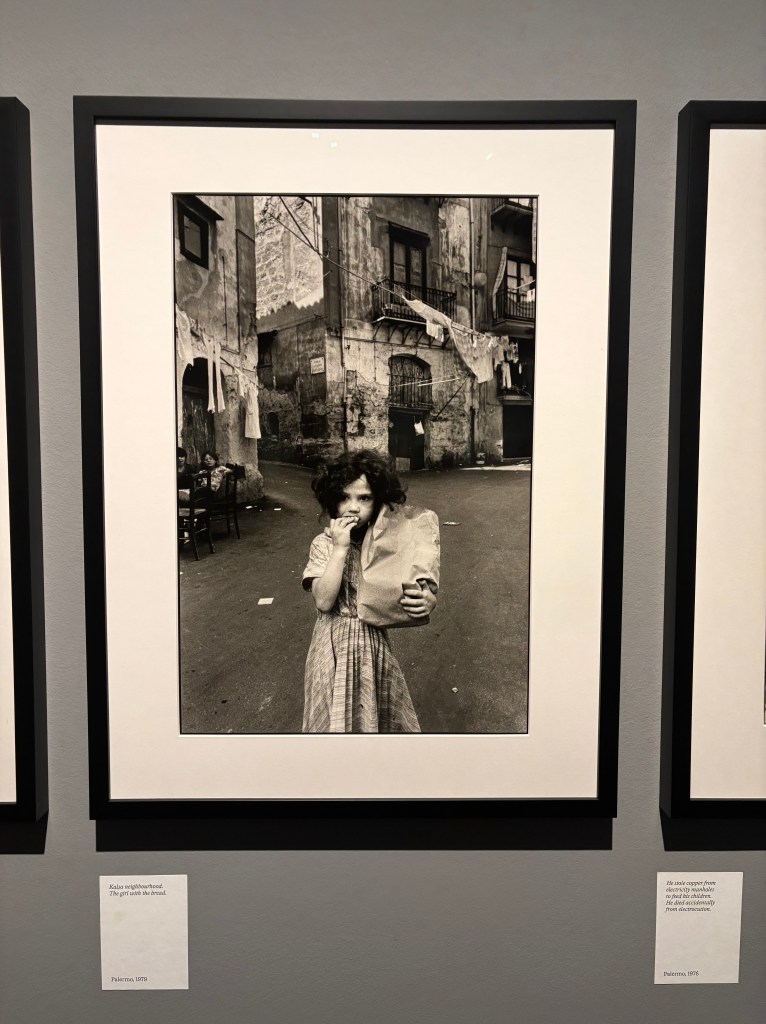
    Khalsa neighborhood. The girl with bread. Palermo,1979
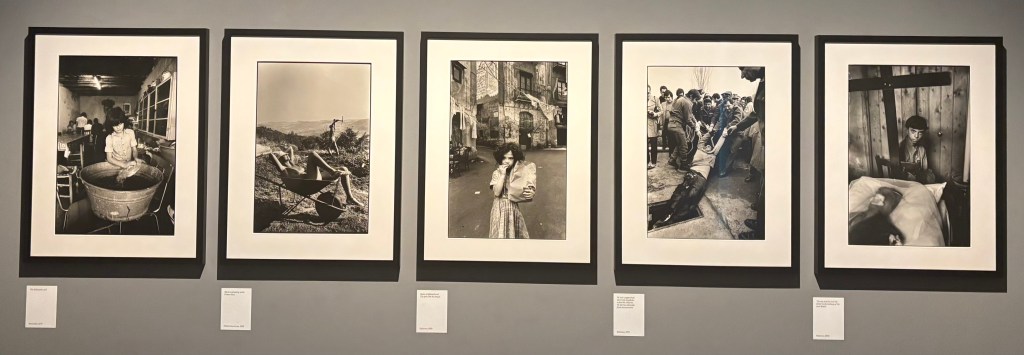
    Letizia Battaglia’s photographs are a clear example of a work that aims at showing the public the violence carried out by the Mafia in Sicily, without forgetting the people that have been affected by it and the fear that was felt throughout the region. The use of black and white photography in her work makes the crimes seem more real in a way that other colors cannot. On top of that, the use of high contrast, natural lighting, and very precise framing to capture the moment makes the viewer feel like they are actually standing in the middle of Palermo’s turmoil. Her images are not only beautiful but also purposeful, having docmented a part of history and fighting against the mafia at the same time. In a way, the photographs are part of a series, and they are meant to make the viewer understand the process of the cycle of violence and resistance in the context of the Mafia’s influence that was not only limited to its members but also extended to the entire Sicilian society. The lack of strict thematic divisions in the exhibition is quite fitting for the chaotic and unpredictable life of Palermo and the way Battaglia encountered the images during the project—without any distinction between violence, sorrow, and daily life. This structure makes the collection look and feel more cohesive and emotional. Also, the written context increases the effectiveness of the work, which gives historical and political information that relates to the images and the viewer. Knowing that Battaglia worked in risk, and knowing the importance of her production in the context of the world, makes the photographs become not only a way of documenting, but also a cry for justice, for the memory of the victims.

  • Week 4

    orange lighting analysis

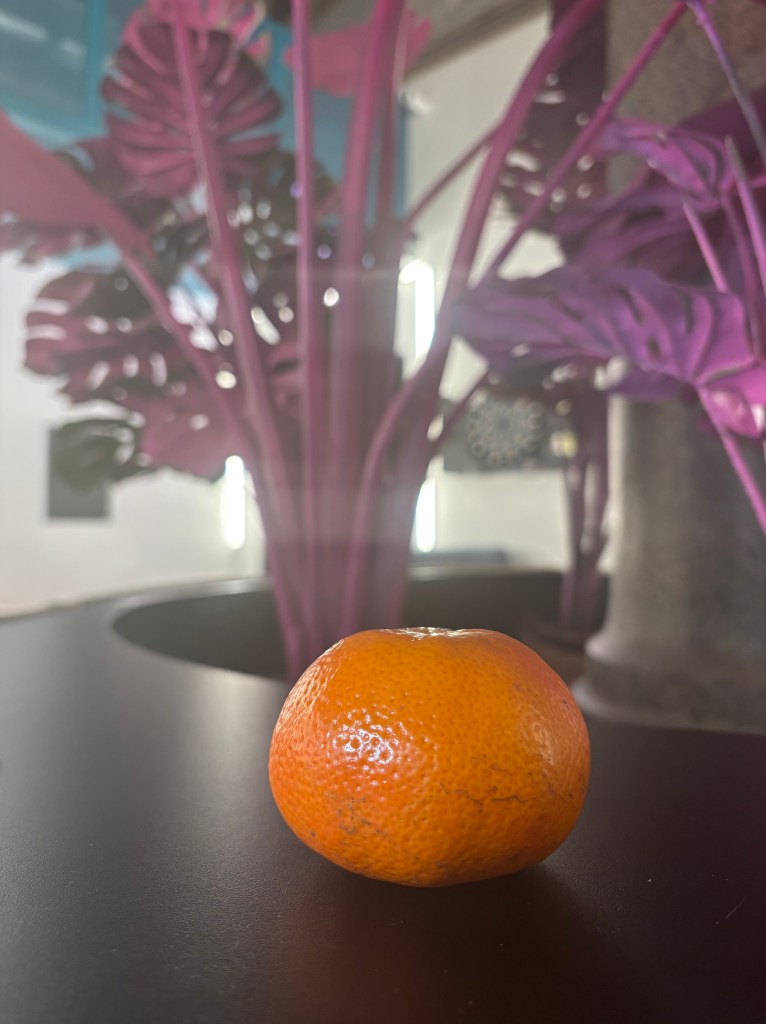
    The front lighting creates a soft, diffused light that highlights the vibrant orange hue and textured surface of the fruit, conveying warmth and vitality. The subtle backlighting and high contrast between the dark table and bright orange isolate the subject, evoking simplicity and focus. With its soft blur, the magenta-toned background contrasts with the natural, organic appearance of the orange, suggesting a tension between nature and artificiality. Overall, the front lighting in this photo adds depth of visual interest.

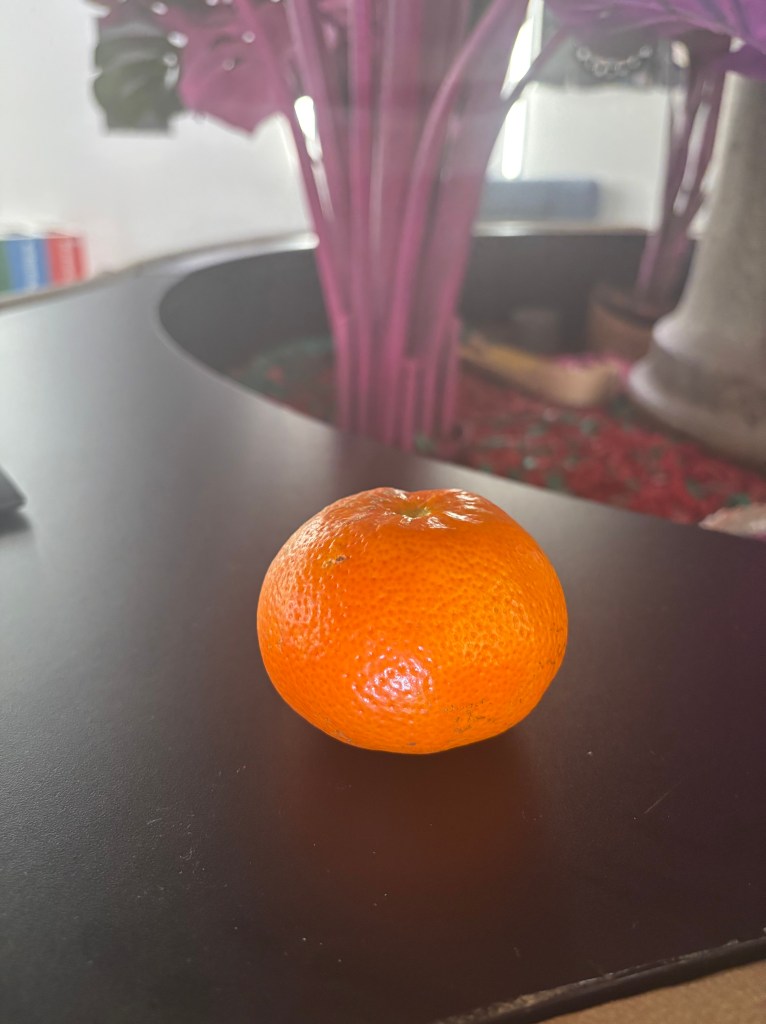
    Above lighting, The strong reflection from the top emphasizes the glossiness of the orange, giving it some depth. A soft and diffused shadow is under and a little to the side of the orange, so the light source is not directly overhead. The contrast between the illuminated orange and the darker background directs attention to the subject, and the background is blurred to keep the viewer’s attention on the orange.

    Light from the right, The orange fruit is brightly illuminated on its right side, accentuating its texture and creating a vibrant, almost glowing appearance. This direct light creates a soft gradient of light and shadow that wraps around the fruit, enhancing its roundness and three-dimensionality. The left side of the orange transitions into a gentle shadow, which adds depth and contrast while maintaining the visibility of the details.

    light from the left, The left-side lighting in this photo casts shadows on the right side of the orange, giving a three-dimensional look and making it stand out against the black table and the blurred plants. This lighting angle enhances the texture of the orange peel, making the details more visible and adding a tactile quality to the image. The overall mood is serene and simple with soft lighting; the contrast between the vibrant orange and the dark table adds a touch of drama, making the orange the main focal point. The blurred background, a result of the chosen depth of field, draws the viewer’s attention directly to the subject, emphasizing the orange as the central element of the photo.

    natural lighting, The light coming from behind the purple plants makes the orange on the left really stand out. This soft light creates gentle shadows and highlights that show off the texture of the orange peel. The natural lighting sets a calm and peaceful vibe since it’s gentle and not too bright or harsh. The bright orange color contrasts beautifully with the dark table, adding a nice dramatic effect to the scene. By keeping the background a bit fuzzy, the focus stays on the orange, making it the star of the photo. Overall, the natural light helps to showcase the orange, giving the image depth and making it look nice and balanced.

    Overall, Different lighting dramatically influences the meaning and mood by shaping the atmosphere, focus, and emotional impact. Soft, diffused lighting creates a calm and inviting mood, emphasizing natural textures and warmth, as seen in the orange’s vibrant color and gentle shadows.

  • Week 3

    The Autograph Gallery to see – Abi Morocco Photos: Spirit of Lagos

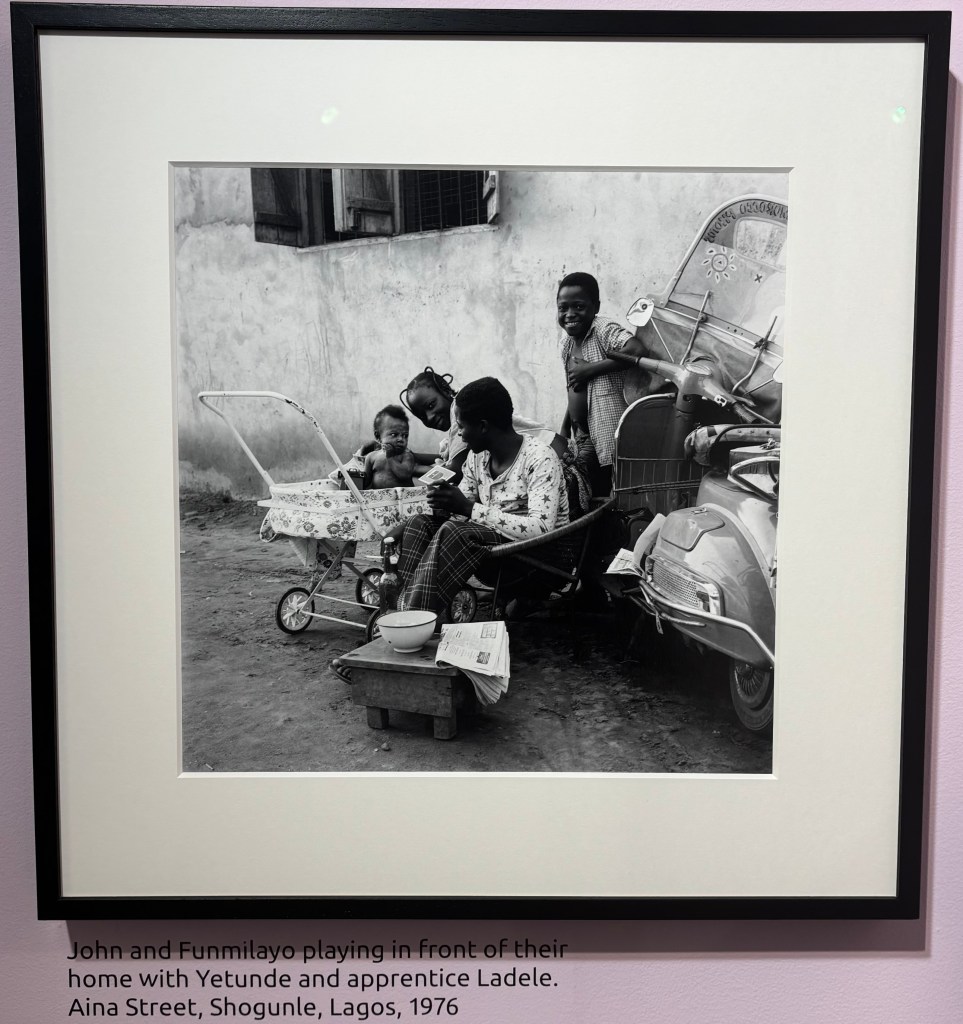
    John and Funmilayo playing in front of their home with Yetunde and apprentice Ledele. Aina Street, Shogunle, Lagos, 1976

    This picture by Lagos was most likely taken with a film camera, and a small aperture of F22-32 achieves a great depth of field, which means every part of the picture, from the subjects to the background, is in focus. The point of view and the symmetrical composition are both very spontaneous, and the eye-level shooting makes for a very private and unposed scene, effectively showing the people’s relation to their environment. The natural light makes the grayscale tones pop out and bring out the materiality of objects and the depth of the image, while the lines of the stroller, scooter, and building formation lead the eye of the viewer. These elements, in combination, tell a story of family life and community in the 1970s in Lagos, place the subjects in their socio-cultural context, and make them seem honest and friendly.

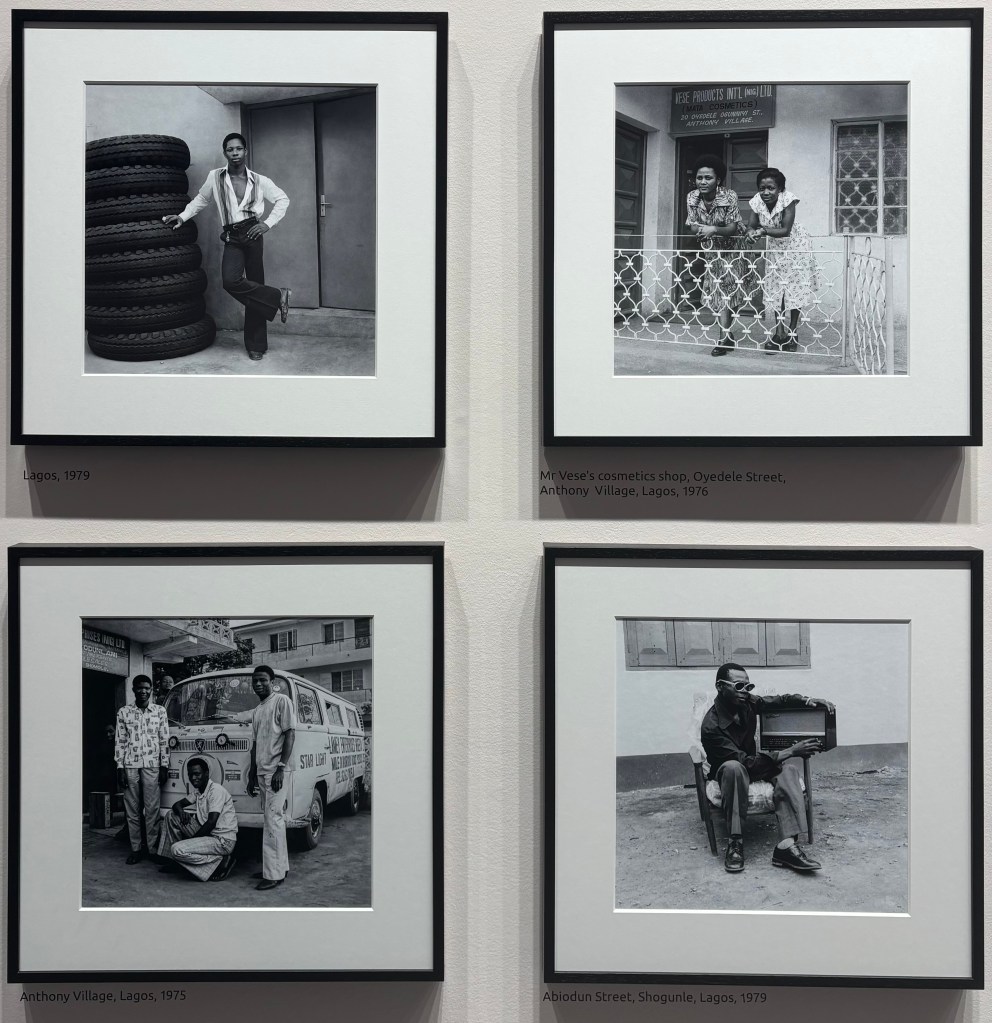
    This series celebrates the joyful, proud, and individualistic spirit of the Lagosians during the stratum of change in the socio-economic fabric of Nigeria during the oil boom of the 70s. It is a testimony to the spirit of identity and ambition and a documentation of how people stepped before the camera and how they wanted to be remembered. It also emphasizes the role of studio portraits in preserving the culture and how Abes’ photographs were a chance to create art and new identities in the modern world. In addition, it features themes of liberation, resilience, and reimagining.

    The accompanying written information dramatically affects the perception of the images. At first, the photographs seem to be regular portraits of people and families, but knowing about John and Funmilayo Abe’s studio and the subjects’ personal stories changes the perception. The knowledge that the portraits were created as part of a collaborative husband-and-wife effort while succeeding in a male-dominated field and maintaining a balance with family life makes the images of resilience, partnership, and cultural conservation.