Author: Meredith Laney photography

  • week 6

    exhibition analysis

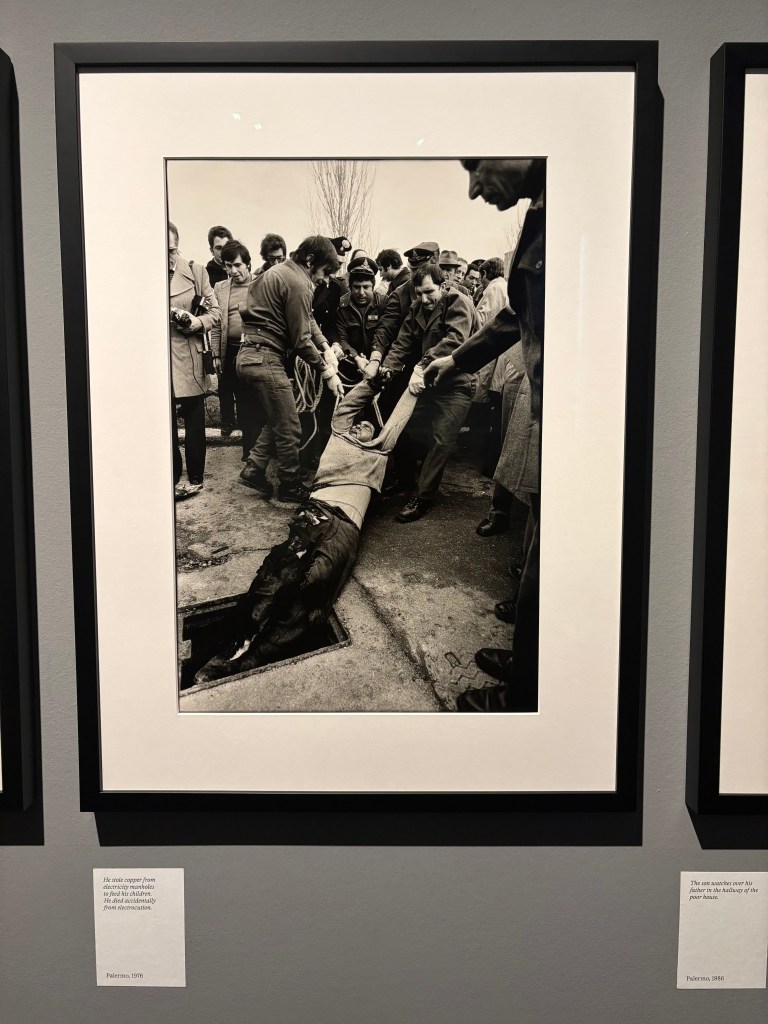
    He stole copper from electricity manholes to feed his children. He died accidentally from electrocution. Palermo, 1976.

    The photograph by Letizia Battaglia is a heartbreaking proof of the brutal truth of Mafia killings in Sicily. Her black-and-white images are pretty effective in showing the inhumanity of such killings, at the same time showing the victims as people so that the viewer can understand the terrible effect that organized crime has on people’s lives. The composition, first and foremost, pays attention to the lifeless body, the people who come to his rescue, and those who watch the scene, which is somewhat chaotic but at the same time relatively ordered, as if it reflects the collective mood of Palermo. She documents the moment in its most basic form, without any post-processing, to show how it feels to be a part of the moment and not just watch it. Battaglia documented these tragedies to undermine the Mafia’s social control and also to remember the victims, thus using photography as a tool to fight evil and demand justice.
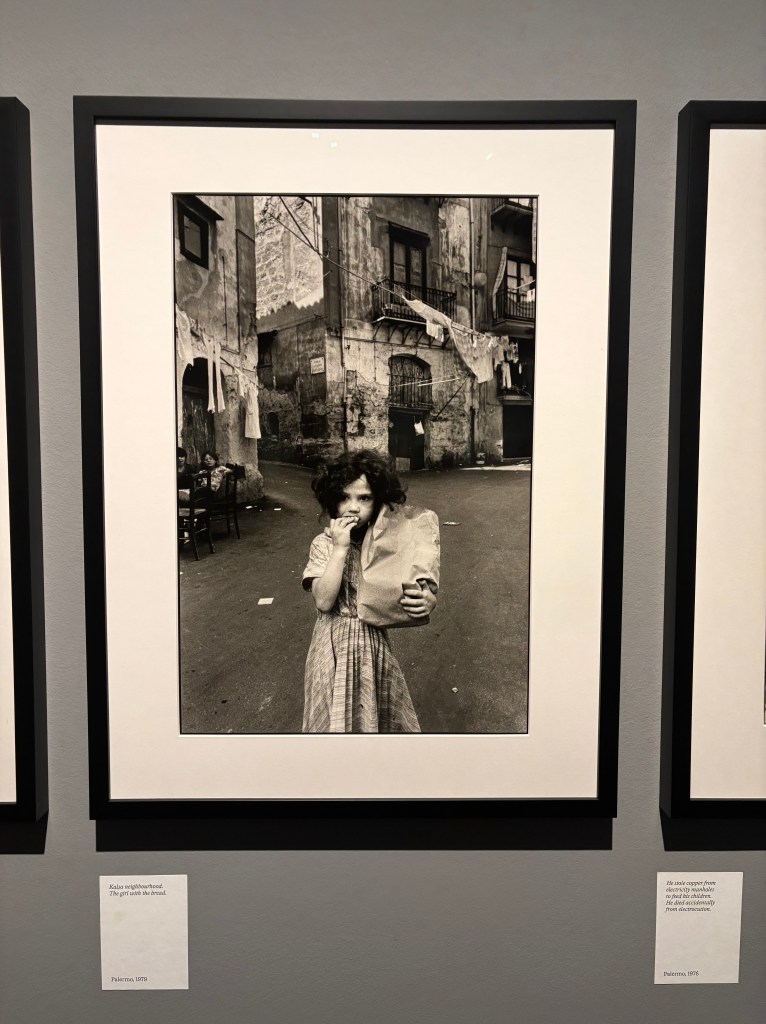
    Khalsa neighborhood. The girl with bread. Palermo,1979
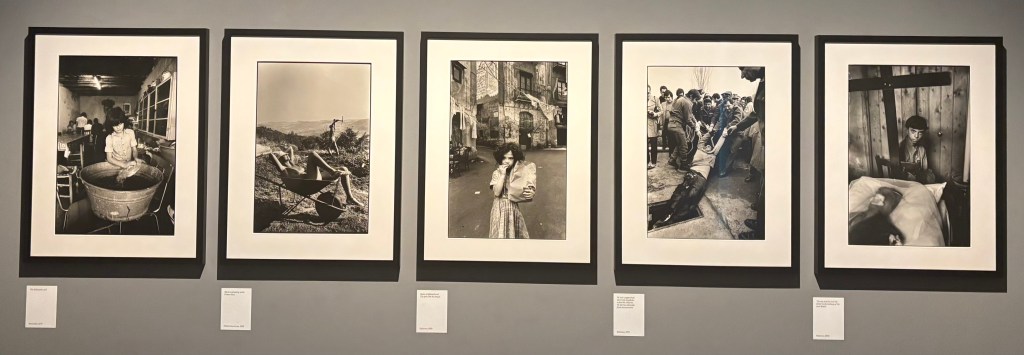
    Letizia Battaglia’s photographs are a clear example of a work that aims at showing the public the violence carried out by the Mafia in Sicily, without forgetting the people that have been affected by it and the fear that was felt throughout the region. The use of black and white photography in her work makes the crimes seem more real in a way that other colors cannot. On top of that, the use of high contrast, natural lighting, and very precise framing to capture the moment makes the viewer feel like they are actually standing in the middle of Palermo’s turmoil. Her images are not only beautiful but also purposeful, having docmented a part of history and fighting against the mafia at the same time. In a way, the photographs are part of a series, and they are meant to make the viewer understand the process of the cycle of violence and resistance in the context of the Mafia’s influence that was not only limited to its members but also extended to the entire Sicilian society. The lack of strict thematic divisions in the exhibition is quite fitting for the chaotic and unpredictable life of Palermo and the way Battaglia encountered the images during the project—without any distinction between violence, sorrow, and daily life. This structure makes the collection look and feel more cohesive and emotional. Also, the written context increases the effectiveness of the work, which gives historical and political information that relates to the images and the viewer. Knowing that Battaglia worked in risk, and knowing the importance of her production in the context of the world, makes the photographs become not only a way of documenting, but also a cry for justice, for the memory of the victims.

  • Week 5

    Photo analysis

    photograph by Mayotte Magnus

    This is a photograph of a woman working. There were a lot of papers on her desk, and she was very unorganized. She looks tired based on her eyes. The lighting is natural, and the image is black and white to reflect her emotions. It also contrasts her black outfit against the white papers on her desk. The aperture is likely because the whole frame is in focus. Her posture is slightly slouchy, which is more indicative of the working class or someone who has been working for a long time. It is also likely a candid photo. The most interesting aspect of this photo is how her outfit pops out and the contrast between her dark outfit and the white papers and typewriter on the desk. The mood is serious and exhausted from working. The photo makes it look like she could be overworked.

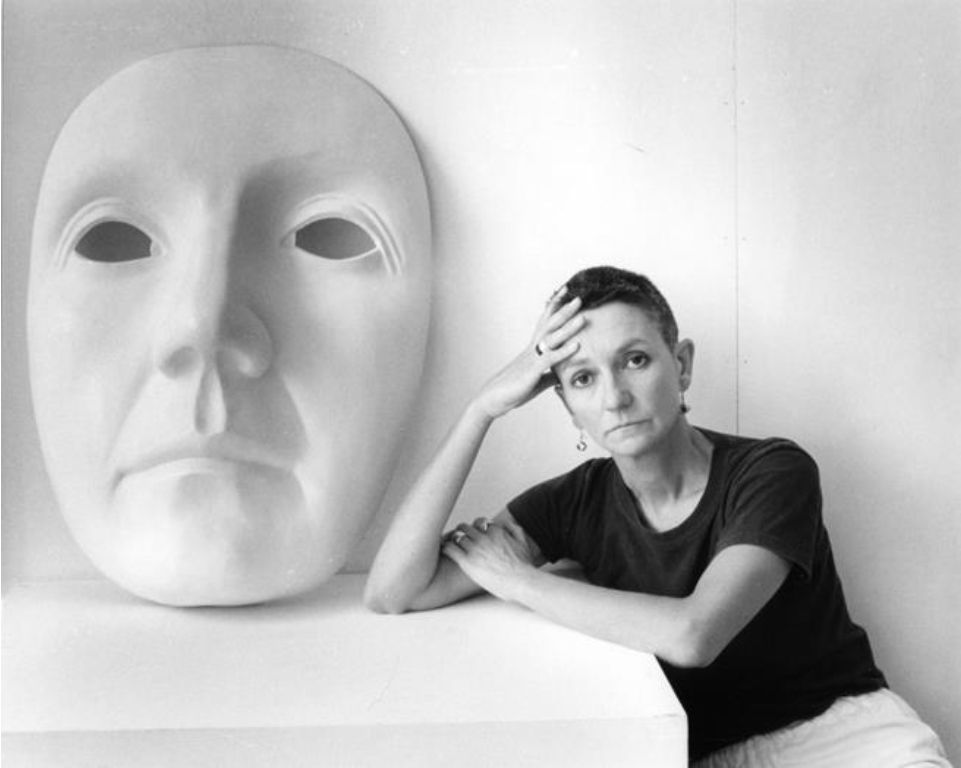
    Photograph by Mayotte Magnus

    This is a portrait of a woman sitting next to a face sculpture. The light coming from the left side of the photograph is based on the shadowing in the picture. The lighting could be natural because there are no harsh shadows behind her or the face. The image is in black and white, making her shirt and hair stand out as everything else in the picture is white, making her the focal point. The light from the left side points out the texture and details on both her face and the sculpture, and the mood and face of her and the sculpture are the same. The woman’s posture and the expression on her face, along with the similar features of the sculpture, suggest a deep emotional connection between the two. The way the woman has her hand on her head and her posture makes her look tired and sad. The mask also has the same mood: it frowns and gives a tragic appeal. The most interesting aspect of this photo is that both the sculpture and the woman have the same expression on their faces, which enhances the mood of the photo.

    Inspired portraits…..

    Photo one

    Photo Two

    Photo three

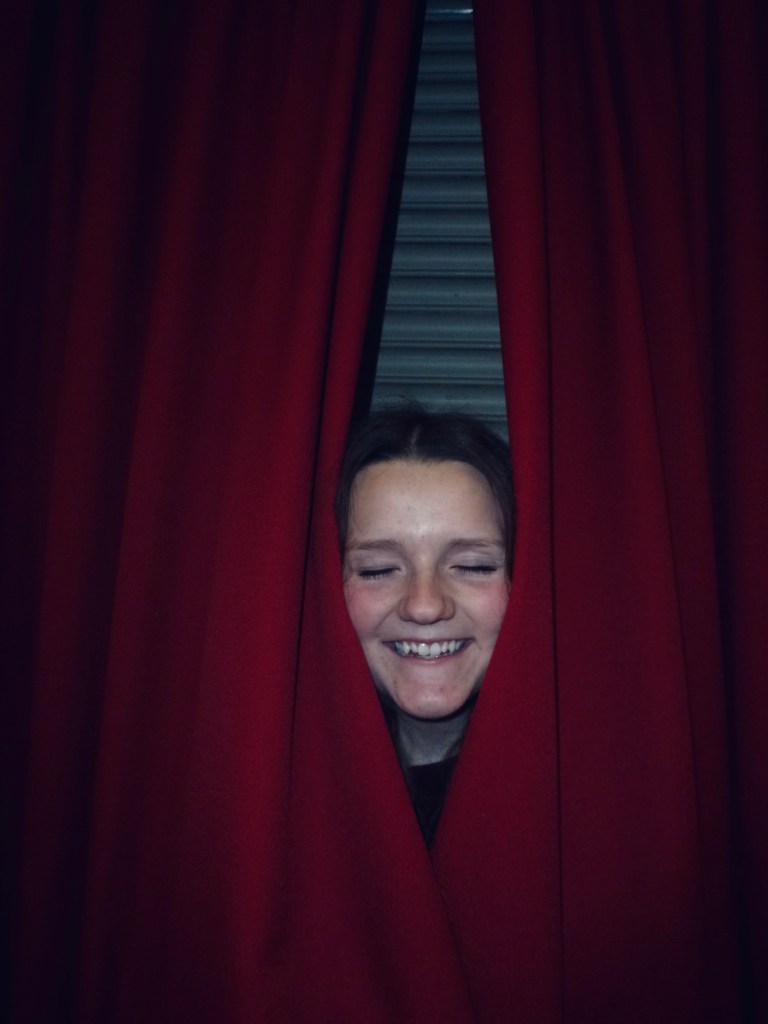
    Model Maddie Harris

    Inspired by Mayotte Magnus, this photoshoot features a portrait series that conveys a captivating, moody atmosphere, inviting viewers into a space of introspection. It parallels earlier black-and-white photographs that express themes of exhaustion and contemplation to recreate this essence and evoke a quiet reflection in the subject, allowing her to embody serene relaxation, wonder, and joy. In the composition of all three images, the subject is in the center of the frame with a simple backdrop creating that elevated portrait perspective.

    The three portraits, each telling a unique story, share a common emotional core. They transition between seriousness, happiness, and exhaustion; the first photo, for instance, has a serene and contemplative mood with the soft lighting and the slight reflection on the window creating a peaceful atmosphere, but the position and facial expression of the subject looking off in the distance adds a sense of introspection. Compared to the second image, her smile and the contrast with the dark red curtain create a joyful mood of happiness. Then, the third photo conveys a calm and introspective mood, emphasizing the lighting and her thoughtful and relaxed posture. All three portraits were captured using a LUMIX vintage camera with flash, contrasting the subject’s face and enhancing the emotional depth of the portraits. The interplay of red tones against a softly illuminated background produces cool and warm hues, capturing a fleeting moment reminiscent of the inspired black-and-white images.

  • Week 4

    orange lighting analysis

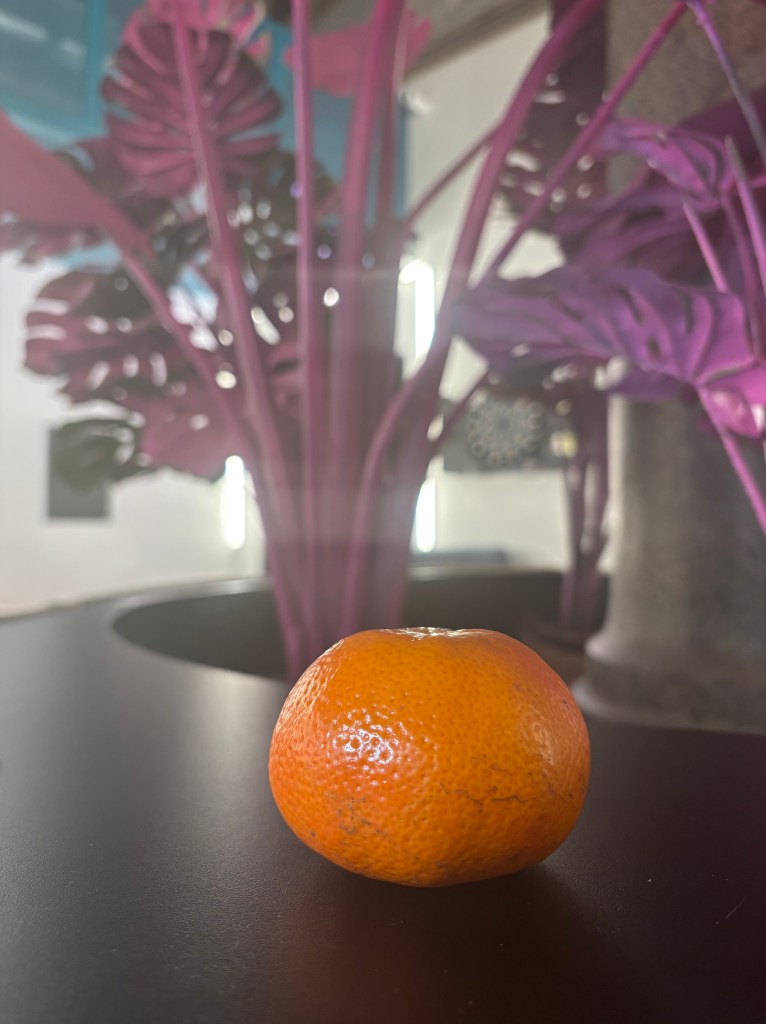
    The front lighting creates a soft, diffused light that highlights the vibrant orange hue and textured surface of the fruit, conveying warmth and vitality. The subtle backlighting and high contrast between the dark table and bright orange isolate the subject, evoking simplicity and focus. With its soft blur, the magenta-toned background contrasts with the natural, organic appearance of the orange, suggesting a tension between nature and artificiality. Overall, the front lighting in this photo adds depth of visual interest.

    Above lighting, The strong reflection from the top emphasizes the glossiness of the orange, giving it some depth. A soft and diffused shadow is under and a little to the side of the orange, so the light source is not directly overhead. The contrast between the illuminated orange and the darker background directs attention to the subject, and the background is blurred to keep the viewer’s attention on the orange.

    Light from the right, The orange fruit is brightly illuminated on its right side, accentuating its texture and creating a vibrant, almost glowing appearance. This direct light creates a soft gradient of light and shadow that wraps around the fruit, enhancing its roundness and three-dimensionality. The left side of the orange transitions into a gentle shadow, which adds depth and contrast while maintaining the visibility of the details.

    light from the left, The left-side lighting in this photo casts shadows on the right side of the orange, giving a three-dimensional look and making it stand out against the black table and the blurred plants. This lighting angle enhances the texture of the orange peel, making the details more visible and adding a tactile quality to the image. The overall mood is serene and simple with soft lighting; the contrast between the vibrant orange and the dark table adds a touch of drama, making the orange the main focal point. The blurred background, a result of the chosen depth of field, draws the viewer’s attention directly to the subject, emphasizing the orange as the central element of the photo.

    natural lighting, The light coming from behind the purple plants makes the orange on the left really stand out. This soft light creates gentle shadows and highlights that show off the texture of the orange peel. The natural lighting sets a calm and peaceful vibe since it’s gentle and not too bright or harsh. The bright orange color contrasts beautifully with the dark table, adding a nice dramatic effect to the scene. By keeping the background a bit fuzzy, the focus stays on the orange, making it the star of the photo. Overall, the natural light helps to showcase the orange, giving the image depth and making it look nice and balanced.

    Overall, Different lighting dramatically influences the meaning and mood by shaping the atmosphere, focus, and emotional impact. Soft, diffused lighting creates a calm and inviting mood, emphasizing natural textures and warmth, as seen in the orange’s vibrant color and gentle shadows.

  • Week 2

    Jo Spence (1934-92), Rosy Martin (Born 1946) Libido Uprising 1989

    These photos depict women in two distinct roles: a housewife with a Hoover and a seductress with fishnet tights and a vacuum tube around her leg. These are not just stereotypes, but carefully crafted images. One of the most enlightening aspects of the set “Libido Uprising” is the use of framing. In the first image, the framing is on the woman with the Hoover, which defines her as a housewife; in the second image, the framing is on the woman’s legs in fishnets with a vacuum tube around them, altering our perception of her role.

    This framing technique, by juxtaposing two conflicting stereotypes of women, plays a crucial role in defining the photograph’s meaning. It challenges societal expectations by presenting conventional femininity and empowerment side by side. The viewer is compelled to confront the dual standards that society imposes on women, ultimately highlighting the complexities and contradictions inherent in gender roles. The photographs are intricately connected through the overarching theme of gender norms, further emphasized by the specific visual style and meticulous framing technique, underscoring the significance of the topic.

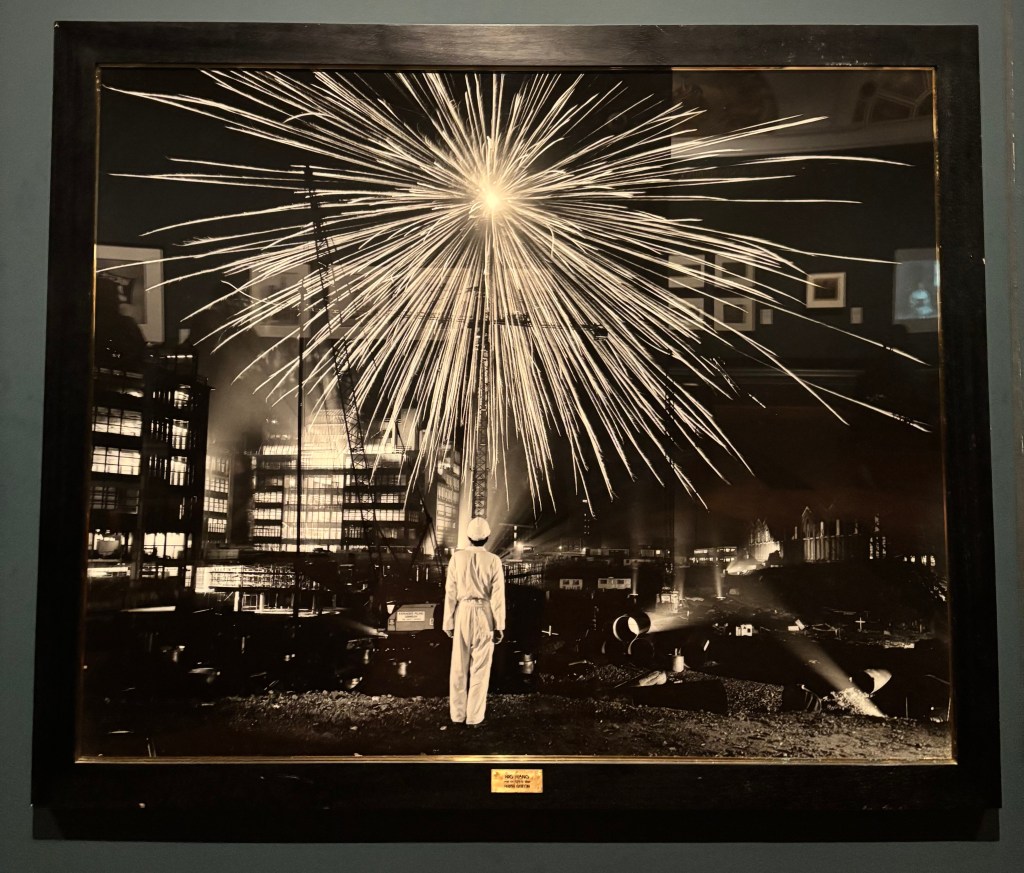
    ”Big bang” by Brain Griffin, Created in 1856, Influenced by both the Romantic paintings of Caspar Divid Friedrich (1774-1840) and his own time working in englands industrial midlands, Griffin Creats surreal and stricking photographs.

    The focus is on the figure in the center and the firework, making for a dramatic and reflective shot. The light from the explosion also helps to define the shot, with a sharp distinction between the dim construction site and the brightly lit sky.

  • Week 3

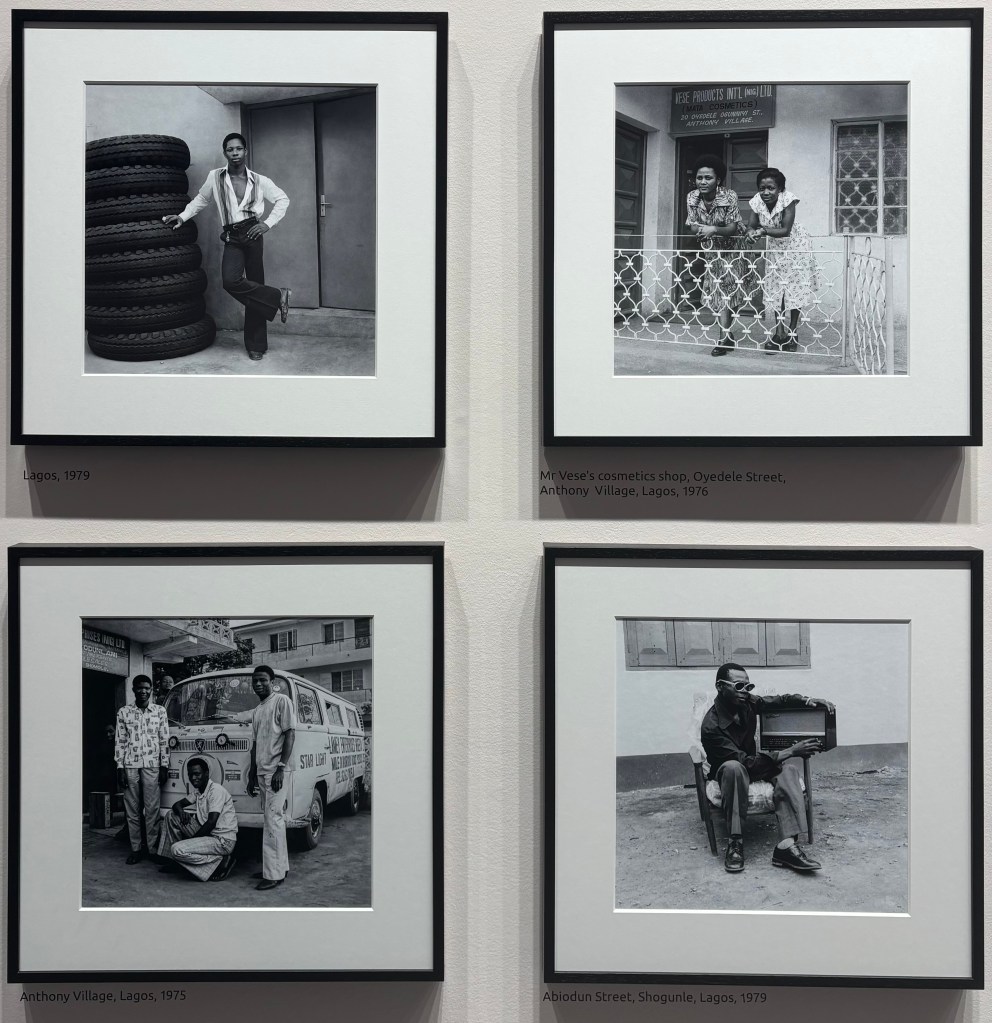
    The Autograph Gallery to see – Abi Morocco Photos: Spirit of Lagos

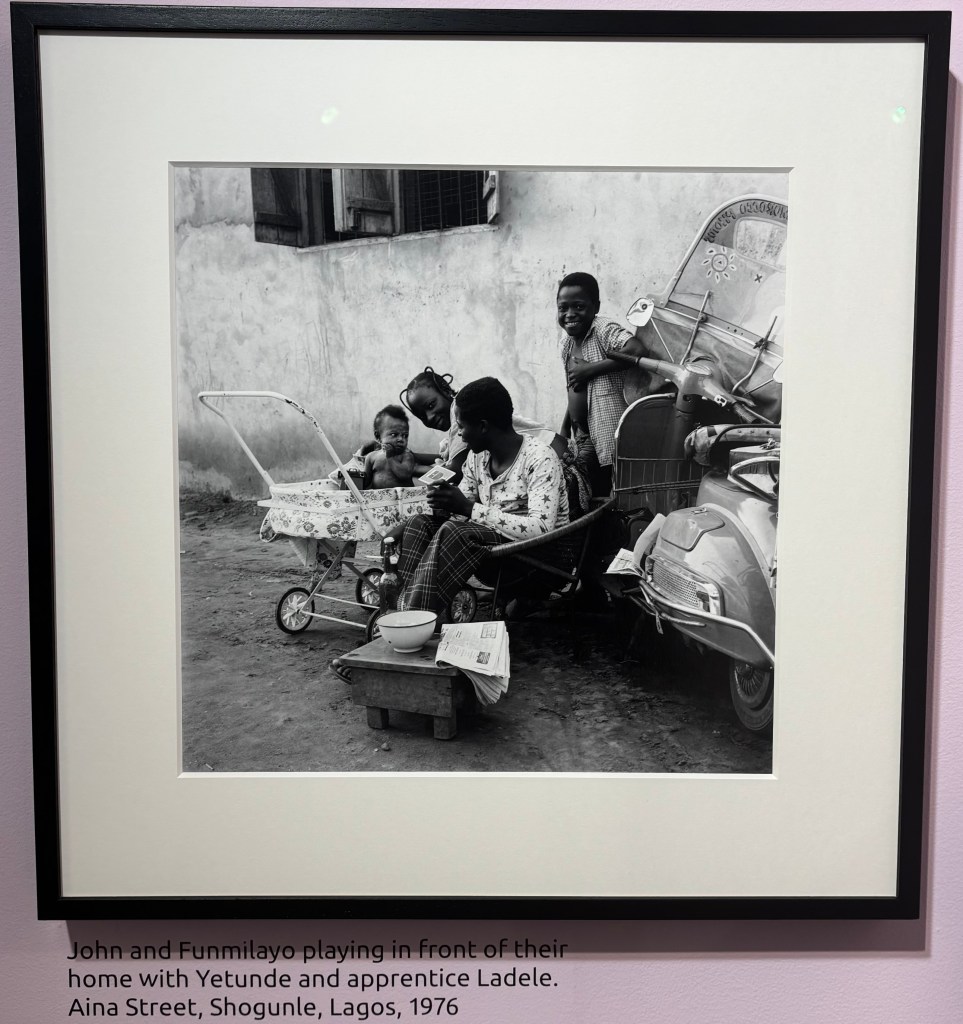
    John and Funmilayo playing in front of their home with Yetunde and apprentice Ledele. Aina Street, Shogunle, Lagos, 1976

    This picture by Lagos was most likely taken with a film camera, and a small aperture of F22-32 achieves a great depth of field, which means every part of the picture, from the subjects to the background, is in focus. The point of view and the symmetrical composition are both very spontaneous, and the eye-level shooting makes for a very private and unposed scene, effectively showing the people’s relation to their environment. The natural light makes the grayscale tones pop out and bring out the materiality of objects and the depth of the image, while the lines of the stroller, scooter, and building formation lead the eye of the viewer. These elements, in combination, tell a story of family life and community in the 1970s in Lagos, place the subjects in their socio-cultural context, and make them seem honest and friendly.

    This series celebrates the joyful, proud, and individualistic spirit of the Lagosians during the stratum of change in the socio-economic fabric of Nigeria during the oil boom of the 70s. It is a testimony to the spirit of identity and ambition and a documentation of how people stepped before the camera and how they wanted to be remembered. It also emphasizes the role of studio portraits in preserving the culture and how Abes’ photographs were a chance to create art and new identities in the modern world. In addition, it features themes of liberation, resilience, and reimagining.

    The accompanying written information dramatically affects the perception of the images. At first, the photographs seem to be regular portraits of people and families, but knowing about John and Funmilayo Abe’s studio and the subjects’ personal stories changes the perception. The knowledge that the portraits were created as part of a collaborative husband-and-wife effort while succeeding in a male-dominated field and maintaining a balance with family life makes the images of resilience, partnership, and cultural conservation.

  • Week 1

    The Garden in soho Photography Quarters

    Sian Davey: The Garden at the soho photography quarters

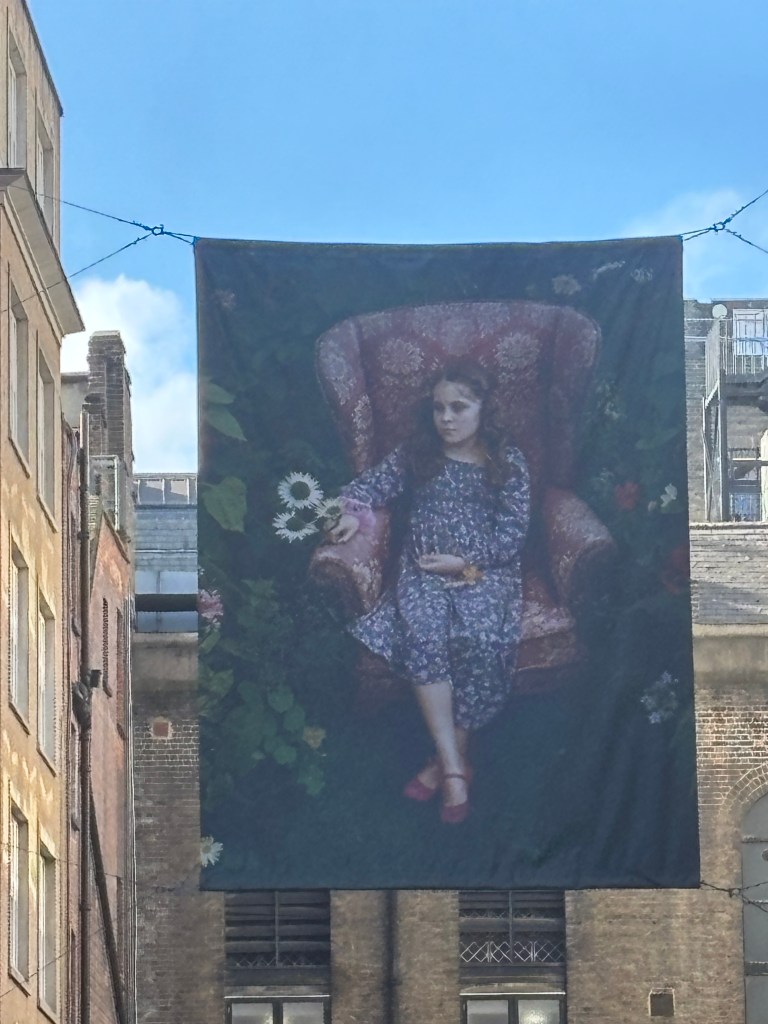
    In this large-scale photo between two large buildings, a young girl sits in a red antique chair holding white sunflowers surrounded by a garden. The girl’s intense focus draws you in, making you feel engaged and attentive. The contrast between the vibrant colors of the dress and the red armchair against the more muted tones is striking. The red chair and her red shoes stood out to me the most, creating an interesting composition, with the banner perfectly framed between the two buildings, giving it a balanced and centered look. The image elicits ideas of purity and meditation, with a feeling of longing.

    This picture has a distorted color scheme, and this, together with the image of a young girl in an elegant antique chair, creates a feeling of melancholy. This photograph reminded me of the whimsical and yet quite gloomy movie Alice in Wonderland, where innocence is compared to the severe realities of life. To understand this image’s message, it would be nice to know more about the young girl’s goals for the future as they seem bright.

    Sian Davey: The Garden

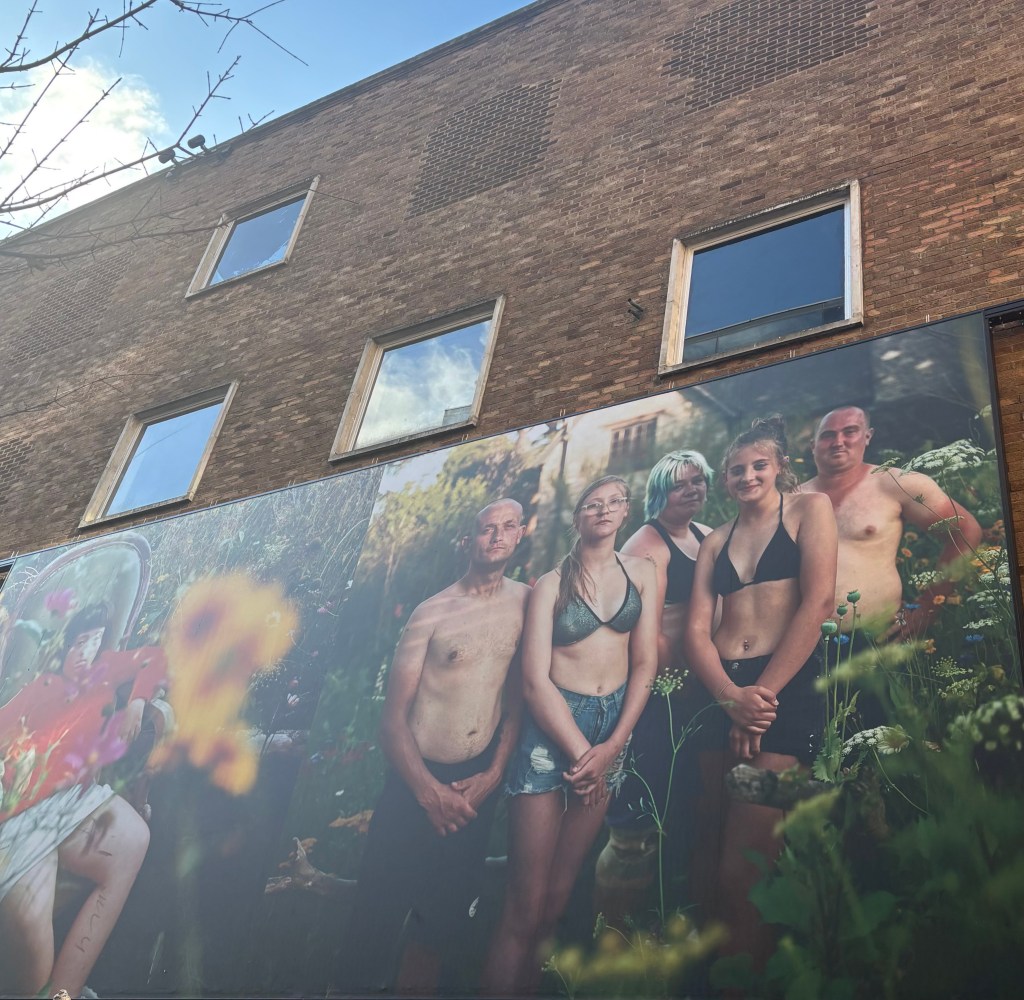
    The photo shows a large photograph shows a group of people dressed in shorts and swimwear, among vibrant plants and flowers. The greenery surrounding them gives the whole thing a very natural, earthy feel. The background behind them is somewhat blurred, creating a depth-of-field effect that emphasizes the people and their immediate environment. The photo has a sharp focus on the individuals and the vibrant plants around them. The focus on the individuals and the plants makes the image a good example of how people can coexist with nature without overwhelming each other. The contrast makes the scene lively and the image more vibrant and warm. The composition shows the group’s unity and the natural surroundings create concepts of community, growth, and simplicity.

    Sián Davey’s approach to photography is very personal. Her portraits of people, are tender and intimate; showing vulnerability and emotive. She photographs subjects in natural, unposed positions and often amongst familiar locations, which help to tell the story. Davey creates mood and meaning through light, texture, and composition when photographing places, making ordinary settings into meaningful backgrounds. Davey’s work is connected with people and has a touch of humanity as she documents life with compassion.

    work cited

    Davey, Siân. 29 Nov. 2023. London.